
 Brian Dương
#What Is Vietnamese Homali Rice? Comparison with Other Famous Rice Varieties
What Is Vietnamese Homali Rice? Comparison with Other Famous Rice Varieties
27/05/2025 -
Nội dung bài viết
Vietnamese Homali rice is one of the most celebrated and widely consumed rice varieties in Vietnam, renowned for its fragrant aroma, delicate texture, and superior quality. Cultivated primarily in the Mekong Delta, this premium jasmine rice variety has garnered attention not only domestically but also on the international stage. This article explores what Vietnamese Homali rice is and compares it with other famous rice varieties, highlighting its unique qualities and culinary appeal.
Understanding Vietnamese Homali Rice
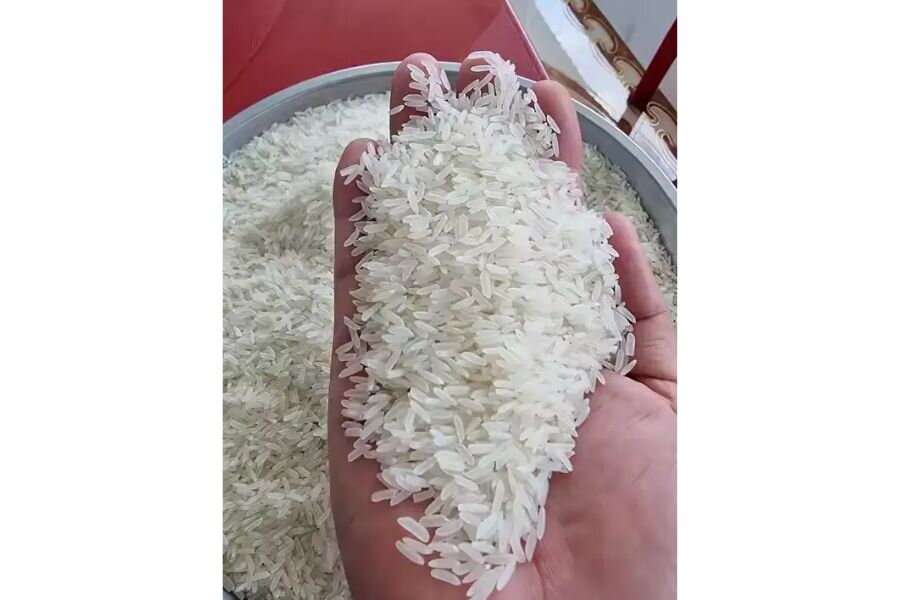
Vietnamese Homali rice, often referred to as Vietnamese jasmine rice, is a type of aromatic long grain rice. It is distinguished by its natural floral fragrance, tender yet fluffy texture, and slightly sweet flavor. The rice grains are long and slender, polished to a bright white, and cook to produce separate, soft grains that enhance any meal.
Key Characteristics of Vietnamese Homali Rice
-
Aromatic fragrance: Homali rice emits a pleasant jasmine-like scent, largely due to the natural compound 2-acetyl-1-pyrroline.
-
Long, slender grains: The grains are uniform in size, polished, and visually appealing.
-
Soft and fluffy texture: When cooked properly, the grains remain separate and tender without being sticky.
-
Mild sweetness: Its subtle flavor complements a wide range of dishes.
-
Low broken grain content: Milling processes ensure minimal grain breakage, preserving texture and quality.
Cultivation and Origin
The fertile soils and favorable climate of the Mekong Delta region provide ideal conditions for growing Homali rice. Farmers combine traditional farming practices with modern agricultural techniques to maintain the rice’s premium quality and consistent supply.
Comparison with Other Famous Rice Varieties
To appreciate the uniqueness of Vietnamese Homali rice, it is important to compare it with other renowned rice types globally.
1. Vietnamese Homali Rice vs. Thai Jasmine Rice
-
Aroma: Both are aromatic jasmine varieties, but Homali rice is often considered to have a stronger and sweeter fragrance.
-
Texture: Thai jasmine rice is soft and fluffy, similar to Homali, though slight differences exist in softness.
-
Grain size: Both have long grains; Thai jasmine grains can be slightly longer.
-
Culinary Use: Both are used widely in Southeast Asian dishes, favored for their fragrance.
2. Vietnamese Homali Rice vs. Basmati Rice
-
Aroma: Basmati rice has a distinct nutty, spicy aroma, while Homali rice features a floral jasmine scent.
-
Grain Length: Basmati grains are longer and thinner; Homali grains are long but plumper.
-
Texture: Basmati rice cooks to a drier, fluffier texture; Homali rice is softer and slightly stickier.
-
Cuisine: Basmati is predominantly used in Indian and Middle Eastern dishes, Homali rice in Vietnamese and Southeast Asian cuisine.
3. Vietnamese Homali Rice vs. Long Grain White Rice
-
Aroma: Regular long grain rice is typically neutral; Homali rice is fragrant.
-
Texture: Long grain rice is firmer and less sticky; Homali is softer and fluffier.
-
Flavor: Homali rice has a subtle sweetness; regular rice has a bland flavor.
-
Use: Homali rice is preferred for dishes where aroma enhances the meal.
4. Vietnamese Homali Rice vs. Short Grain Rice
-
Grain Shape: Homali rice grains are long and slender; short grain rice is round and plump.
-
Texture: Homali rice cooks fluffy and separate; short grain rice is sticky and clumps together.
-
Applications: Short grain rice is used in sticky rice dishes and sushi; Homali rice suits steamed and fried rice.
Culinary Applications of Vietnamese Homali Rice
Homali rice’s fragrance and texture make it suitable for a variety of dishes:
-
Steamed rice: Served with grilled meats, seafood, and vegetables.
-
Fried rice: Its fluffy texture absorbs flavors without becoming mushy.
-
Rice bowls: Complements fresh herbs and mixed ingredients.
-
Special occasions: Preferred in festive and celebratory meals.
-
International cuisine: Increasingly used in fusion dishes worldwide.
Nutritional Benefits
While primarily valued for its sensory qualities, Homali rice also offers nutritional benefits:
-
Carbohydrates: Provides a good energy source.
-
Low fat content: Suitable for low-fat diets.
-
Gluten-free: Safe for people with gluten intolerance.
-
Moderate protein: Supports balanced nutrition.
Cooking Tips for Vietnamese Homali Rice
To maximize the flavor and texture of Homali rice:
-
Rinse rice until water runs clear to remove excess starch.
-
Use about 1.5 cups of water per cup of rice.
-
Cook in a rice cooker or pot, avoiding stirring.
-
Let rice rest covered for 5-10 minutes after cooking.
-
Use fresh, high-quality Homali rice for best results.
Conclusion
Vietnamese Homali rice stands out as a premium aromatic rice variety that offers exceptional aroma, flavor, and texture. When compared with other famous rice varieties such as Thai jasmine, basmati, and short grain rice, Homali rice holds its own due to its sweet fragrance and soft, fluffy consistency.
Whether enjoyed in traditional Vietnamese meals or incorporated into international cuisine, Vietnamese Homali rice continues to delight food lovers around the world with its authentic taste and superior quality.
Learn more: https://cotham.org/rice/
Xem thêm: https://foods.be5.com.vn/gao-sushi/
TVQuản trị viênQuản trị viên
Xin chào quý khách. Quý khách hãy để lại bình luận, chúng tôi sẽ phản hồi sớm